Table of contents
In an era of algorithmic travel, it is easy to believe that the best itinerary is the one with the most saves, the highest star rating, and the most polished drone footage, yet many frequent travellers are rediscovering an older shortcut: asking the people who live there. The shift is not just romantic, it is practical, because local advice often reshuffles a schedule, trims wasted transit time, and steers visitors away from inflated “must-sees” that look better online than they feel in real life.
Social media built your plan, locals break it
How many “top 10” lists can one city sustain? In Barcelona, Paris, Berlin, or Lisbon, the same handful of addresses recirculate so relentlessly that entire neighbourhoods now experience synchronized waves of foot traffic, and the results are measurable. The European Travel Commission has repeatedly warned that overcrowding is no longer confined to peak summer weeks, while municipal data across major capitals show pressure spreading into shoulder seasons, because travellers follow identical digital trails and arrive with identical expectations, then blame the destination when reality does not match the edit.
Locals, by contrast, operate with a different map, because they optimize for time, mood, and familiarity rather than for photogenic proof, and that single change of objective can recalibrate an itinerary in minutes. A resident does not merely say “go earlier”; they tell you which entrance has the shortest queue, which day a museum is free or reliably calm, which park is still pleasant at lunchtime, and which restaurant is worth a detour even if it has no online hype. The difference is not anecdotal, it is structural: online rankings reward volume and velocity, yet daily life rewards reliability, so local recommendations often favour places that handle crowds better, serve consistently, and sit closer to sensible transit links.
There is also a quiet bias in algorithmic planning that locals help neutralize: platforms amplify what already performs, meaning the “best” becomes the most repeated, and the most repeated becomes the default. In practice, that concentrates travellers into narrow corridors, pushes up prices, and narrows cultural exposure, while leaving equally strong alternatives under-visited. A quick conversation with a bartender, a shop owner, a hotel receptionist, or a couple on the tram can redirect you toward a neighbourhood you had not considered, and suddenly your schedule stops looking like everyone else’s. The itinerary becomes less about collecting stamps and more about constructing days that actually work.
A single tip can save hours
What is the true currency of travel: money, or time? Most visitors underestimate how quickly cities consume hours through small frictions, a poorly timed transfer, a lunch stop too far from the next booking, a scenic “walkable” route that turns into a 50-minute slog in rain, or a museum slot that forces you to crisscross town at the worst hour. Locals tend to solve these problems instinctively, because they know the rhythm of the place, and rhythm is what itinerary templates rarely capture.
Data backs the scale of the time problem. According to Eurostat, people in large European urban areas spend, on average, around 25 to 30 minutes commuting one way, and that is for routine trips with habitual efficiency, not for visitors pausing for directions, ticket machines, and wrong exits. Add crowding and service disruptions, and the margin for error balloons. A local tip such as “take the S-Bahn, not the U-Bahn at that hour” or “exit from the back of the train for the shortest connection” sounds minor, yet it can save half an hour, and those reclaimed minutes are exactly what allow spontaneous discoveries, an unplanned gallery, a lingering coffee, or simply less stress.
The same logic applies to queues, which can silently devour a day. At many flagship attractions, waiting times can stretch well beyond an hour at midday, and a rigid itinerary rarely has enough slack to absorb delays without cascading cancellations. Locals often know which days attract school groups, which time slots bring cruise passengers, and which alternative site offers similar value without the bottleneck. They also know the small hacks that guidebooks omit: the overlooked ticket counter, the calmer entry, the nearby lunch spot that will not trap you in another line right after you escape the first one.
Crucially, local advice is not only about efficiency, it is also about sequencing, because a city day has a natural arc. Residents tend to bundle nearby experiences that make sense together, a morning market followed by a riverside walk, a late museum visit when the light is flatter, a neighbourhood bar after a theatre show because it is still lively at 23:00. When your itinerary follows that kind of lived logic, the city feels coherent rather than stitched together by search results.
Better experiences start with better questions
Want the shortcut that most travellers skip? Ask smarter, not louder. The classic “Where should I go?” is flattering but vague, and it often yields the same obvious answers you could have found online, while a well-aimed question draws out the kind of information that only residents carry around. “Where would you take a friend who has never been here, but hates crowds?” is specific, and so is “Which street is good for a slow morning?” or “If I only have two hours before dinner, what area should I wander?” The more you define your taste, budget, and energy level, the more useful the response becomes.
The setting matters too, because context shapes candour. Hotel staff are excellent for logistics, transport, and safety, and they often track what is currently overrun. Bartenders and café workers hear the pulse of the neighbourhood and tend to recommend places that hold up on a random Tuesday. Shop owners can tell you what has changed recently, what is closing, and what is quietly improving. Even a brief exchange can surface details that no review platform will prioritize, such as whether a “cute” street is actually clogged with delivery vans at noon, or whether a park feels sketchy after dark.
There is also an ethical dimension that travellers increasingly care about, and locals are the best filter. Tourism authorities across Europe have highlighted the tension between visitor flows and liveability, from short-term rentals to noise and waste, and residents can help you spend in ways that feel less extractive. A local might steer you to a family-run bakery rather than a chain, suggest a community market rather than a souvenir strip, or point you toward an exhibition space that depends on ticket sales rather than on mass footfall. That is not just “authenticity” as a buzzword, it is money going where it does more cultural work.
Finally, asking locals is not only a tool, it is a mindset shift. It pulls you out of the consumer posture of “show me the highlights” and into a more collaborative mode, where the city is not a backdrop but a living place with preferences, routines, and constraints. That shift tends to make travellers more observant, more patient, and more willing to deviate from the plan, and those deviations are often what people remember when they talk about a trip years later.
In Berlin, local knowledge changes the map
Berlin is the kind of city that punishes superficial planning. Its scale is deceptive, its neighbourhoods feel like separate towns, and the difference between a rewarding day and a frustrating one often comes down to how you stitch areas together. Visitors arrive with a checklist of Brandenburg Gate, Museum Island, the East Side Gallery, maybe a nightclub queue, and then wonder why the city feels scattered. Residents, on the other hand, navigate Berlin as a sequence of micro-worlds, and that approach reshapes an itinerary from “monuments” to “district days.”
Ask a Berliner where to spend a morning, and you may get a street, not an attraction, because the city’s charm is often granular: a courtyard passage, a second-hand bookstore, a canal-side bench, a bakery window at the right hour. You may also get frank advice about what is currently saturated, and what still feels breathable. That is valuable in a destination where crowd patterns shift fast, driven by events, weather, and the city’s constant reinvention, and where the best experience of a famous site is sometimes to see it briefly, then move on to a nearby area that offers more texture.
Local input also helps with the parts of Berlin that outsiders routinely misread, especially nightlife and cultural programming. The city’s club culture, for example, is not just about picking a venue, it is about timing, dress cues, and expectations, and residents know how not to waste hours on a doomed queue. Likewise, Berlin’s cultural calendar is dense, with exhibitions, temporary shows, neighbourhood festivals, and seasonal open-air events that do not always surface at the top of global search results, yet can become the highlight of a trip if you catch them at the right moment.
For travellers who want to build that kind of itinerary without relying on generic lists, curated local-led formats can help bridge the gap between DIY planning and insider access. One starting point is https://www.berlin-escape.com, which focuses on experiences designed around the city’s lived geography rather than around a universal checklist, and that distinction is often what turns a packed schedule into a coherent set of days.
Plan like a local, travel like yourself
Reserve key slots early, especially museums and evening events, and keep two-hour buffers to absorb delays. Set a daily budget for transit, food, and one paid activity, then ask locals where to spend it wisely. Check whether you qualify for discounts, city passes, or free-entry times, and lock in only the essentials; leave space for the tip that changes everything.
Similar

Mapping Memories: How Combining Excursions And Local Guides Reshapes Your Journey

Unexpected Questions Every Traveler Should Ask Before Planning A Trip
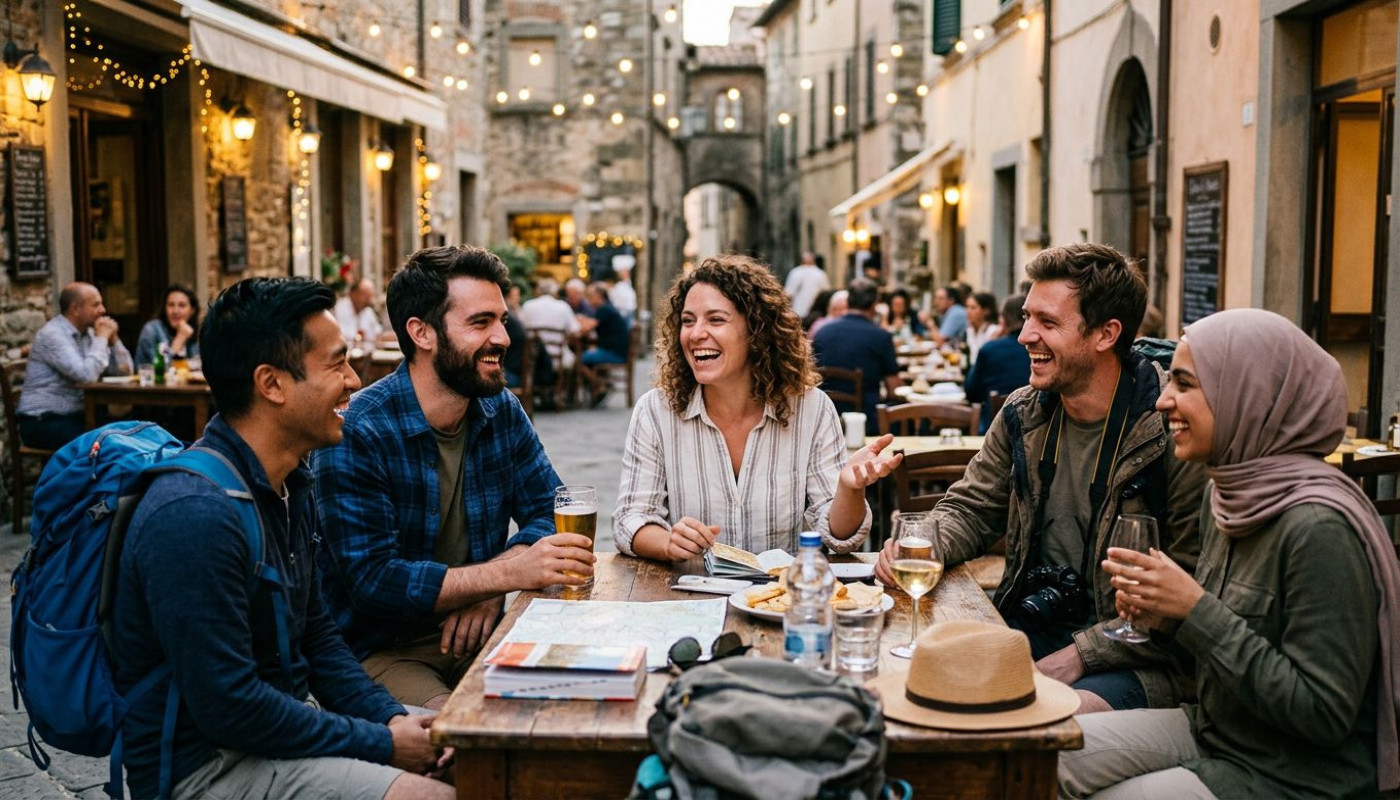
Real Travelers Confess: The Worst Travel Advice We Actually Followed
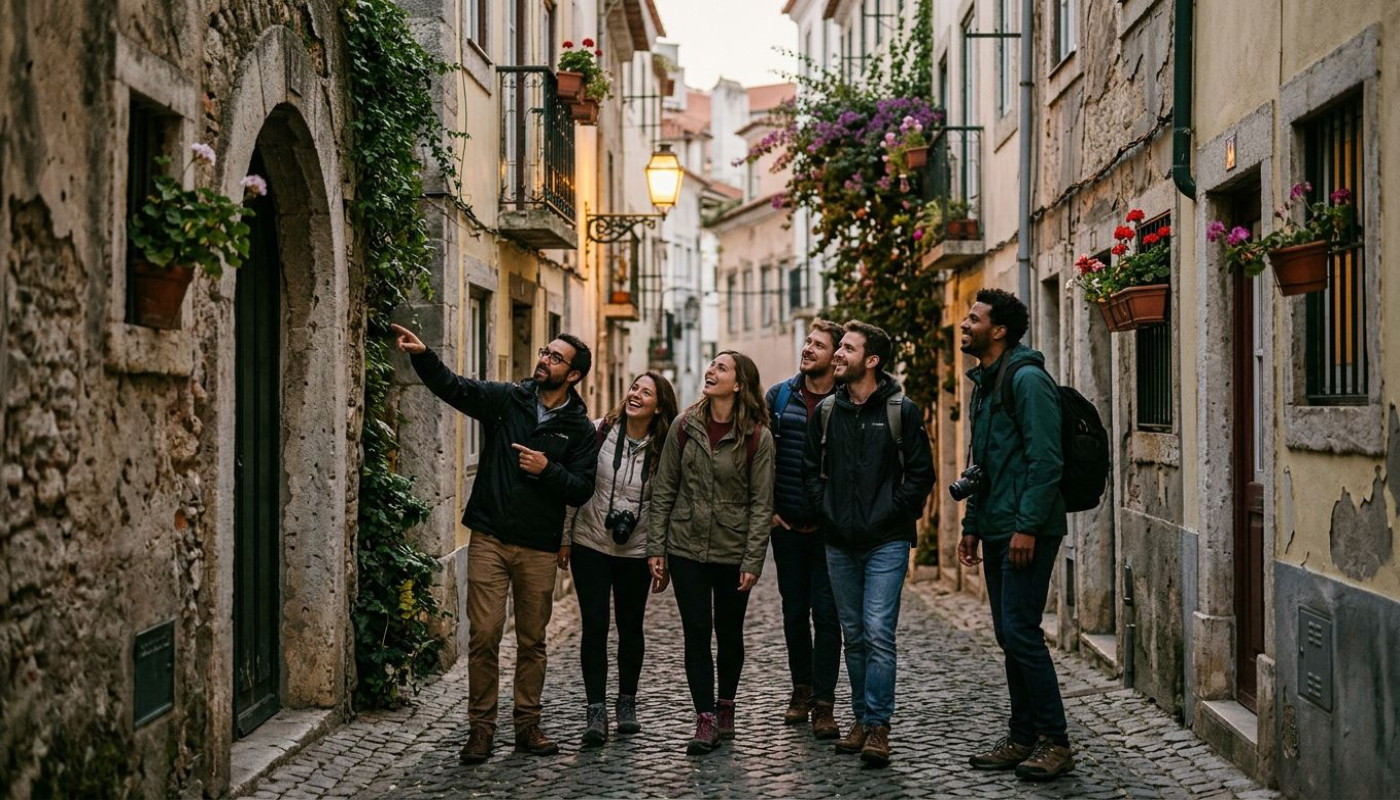
How Hidden Walking Tours Turn A Simple Destination Into An Adventure